
Discover Top Cash Register Manufacturers: The Complete Guide (2025)
Introduction: Navigating the Global Market for cash register manufacturer
Navigating the complexities of sourcing cash register manufacturers can be a daunting task for international B2B buyers, particularly those operating in diverse markets across Africa, South America, the Middle East, and Europe. With numerous options available, from traditional cash registers to advanced point-of-sale (POS) systems, the challenge lies in identifying reliable suppliers that meet both quality standards and budget constraints. This guide provides a comprehensive overview of the cash register manufacturing landscape, covering various types of devices, their applications, and key considerations for supplier vetting.
International B2B buyers will find actionable insights on evaluating manufacturers based on quality, technological capabilities, and service support, which are crucial for ensuring operational efficiency. Additionally, the guide addresses cost factors, helping buyers understand pricing structures and negotiate effectively. By equipping decision-makers with the necessary knowledge, this resource empowers them to make informed purchasing decisions that align with their business needs and market demands.
In a world where consumer expectations are constantly evolving, understanding the nuances of cash register solutions is vital for enhancing customer experience and streamlining operations. Whether you are a retailer in Colombia seeking modern POS systems or a restaurant owner in Indonesia looking for reliable cash management solutions, this guide serves as your roadmap to successfully navigate the global market for cash register manufacturers.
Understanding cash register manufacturer Types and Variations
| Type Name | Key Distinguishing Features | Primary B2B Applications | Brief Pros & Cons for Buyers |
|---|---|---|---|
| Traditional Cash Registers | Mechanical components, limited digital features | Retail stores, restaurants | Pros: Simple operation, low cost. Cons: Limited functionality, less integration with modern systems. |
| Electronic Cash Registers | Digital interface, advanced features like inventory management | Retail, hospitality, small businesses | Pros: Enhanced functionality, better reporting. Cons: Higher initial investment, requires training. |
| Point of Sale (POS) Systems | Integrated hardware and software, supports multiple payment methods | Retail, restaurants, e-commerce | Pros: Comprehensive solutions, scalability. Cons: Can be complex, ongoing maintenance may be needed. |
| Mobile Payment Solutions | Smartphone or tablet-based systems, cloud integration | Food trucks, pop-up shops, events | Pros: Portability, ease of use. Cons: Dependence on internet connectivity, transaction fees can add up. |
| Cloud-Based Cash Register Systems | Remote access, real-time data analytics | Multi-location businesses | Pros: Centralized management, automatic updates. Cons: Requires reliable internet, potential data security concerns. |
What are the characteristics of Traditional Cash Registers?
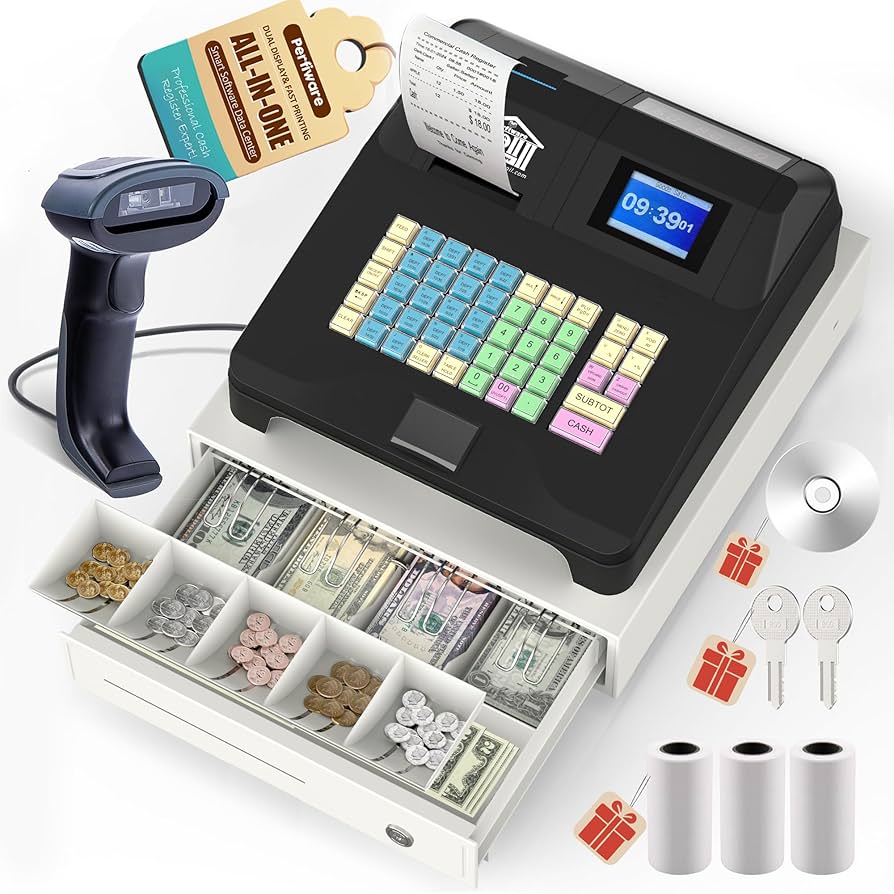
Traditional cash registers are mechanical devices that primarily focus on recording sales transactions. They are characterized by their simplicity, often featuring a basic keypad and a drawer for cash. These registers are suitable for small retail outlets and businesses with straightforward transaction needs. When purchasing, buyers should consider the durability and ease of use, as well as whether they require additional features like reporting or inventory management. Although they are cost-effective, their limited functionality may not meet the needs of businesses aiming for growth or efficiency.
How do Electronic Cash Registers differ from traditional models?
Electronic cash registers (ECRs) introduce digital interfaces that enhance the user experience. They often come equipped with features such as inventory tracking, sales reporting, and customer management capabilities. ECRs are ideal for retail and hospitality sectors where businesses require more than basic transaction recording. Buyers should evaluate the software compatibility and training requirements, as these systems can be more complex. While ECRs offer increased functionality and better data management, they typically come with a higher initial investment.
What advantages do Point of Sale (POS) Systems provide?
Point of Sale (POS) systems are integrated solutions combining hardware and software to facilitate sales transactions. They support various payment methods, including credit cards and mobile payments, making them versatile for diverse business environments. POS systems are particularly beneficial for retail and restaurant sectors that require detailed reporting and inventory management. When considering a POS system, businesses should assess scalability and the potential for integration with other business tools. Although they offer comprehensive solutions, the complexity and maintenance can be challenging for some users.
Why are Mobile Payment Solutions becoming popular?
Mobile payment solutions allow businesses to process transactions via smartphones or tablets, often leveraging cloud technology for data management. These systems are ideal for food trucks, pop-up shops, and events where portability is crucial. Buyers should consider the ease of use and the costs associated with transaction fees when evaluating mobile solutions. While they provide flexibility and convenience, reliance on internet connectivity can pose challenges, especially in areas with unstable networks.
What are the benefits of Cloud-Based Cash Register Systems?
Cloud-based cash register systems enable businesses to access their sales data from anywhere, offering real-time analytics and centralized management. This is particularly useful for multi-location businesses that need to manage operations efficiently. Buyers should focus on the reliability of internet access and security measures when choosing a cloud solution. Although these systems provide significant advantages such as automatic updates and remote access, potential data security concerns must be addressed to ensure business continuity.
Related Video: MONEY & CASH REGISTERS
Key Industrial Applications of cash register manufacturer
| Industry/Sector | Specific Application of Cash Register Manufacturer | Value/Benefit for the Business | Key Sourcing Considerations for this Application |
|---|---|---|---|
| Retail | Point of Sale (POS) Systems | Streamlined transactions and improved customer experience | Compatibility with existing systems and local currency options |
| Hospitality | Restaurant Management Systems | Enhanced order accuracy and faster service | Durability and ease of use in high-traffic environments |
| E-commerce | Online Payment Integration | Secure and efficient online transactions | Integration capabilities with e-commerce platforms |
| Wholesale Distribution | Inventory Management Solutions | Real-time inventory tracking and sales reporting | Scalability and customization options for diverse product lines |
| Services | Mobile Payment Solutions | Increased flexibility and accessibility for customers | Support for various payment methods and mobile compatibility |
How Are Cash Register Manufacturers Used in Retail?
In the retail sector, cash register manufacturers provide Point of Sale (POS) systems that facilitate seamless transactions. These systems enhance customer experience by reducing wait times and improving transaction accuracy. International B2B buyers should consider compatibility with existing hardware and software, as well as the ability to handle local currency options, especially in diverse markets such as Africa and South America.
What Role Do Cash Registers Play in Hospitality?
In the hospitality industry, cash registers are integrated into restaurant management systems to ensure order accuracy and speed up service. By utilizing specialized software, these systems help track orders from kitchen to table, significantly reducing errors. Buyers should prioritize durability and user-friendliness, as these systems often operate in high-traffic areas where efficiency is crucial.
How Is Cash Register Technology Integrated into E-commerce?
For e-commerce businesses, cash register manufacturers provide solutions that enable secure online payment processing. These systems are essential for building consumer trust and ensuring smooth transactions. B2B buyers must focus on the integration capabilities with existing e-commerce platforms and the ability to support various payment methods, particularly in regions with diverse payment preferences.
What Benefits Do Cash Registers Provide in Wholesale Distribution?
In wholesale distribution, cash register manufacturers offer inventory management solutions that enable real-time tracking of stock levels and sales data. This capability allows businesses to optimize their inventory and reduce losses due to overstocking or stockouts. Buyers should seek systems that offer scalability and customization options to accommodate a wide range of products and fluctuating market demands.
How Do Cash Registers Enhance Service Sector Operations?
In the services sector, mobile payment solutions provided by cash register manufacturers allow businesses to accept payments anywhere, enhancing customer convenience. These systems are particularly beneficial for businesses that operate in dynamic environments, such as events or outdoor markets. When sourcing these solutions, buyers should ensure that the systems support various payment methods and are compatible with mobile devices to maximize accessibility.
Related Video: Uses and Gratifications Theory – UGT
3 Common User Pain Points for ‘cash register manufacturer’ & Their Solutions
Scenario 1: Difficulties in Integrating Modern Cash Register Systems
The Problem: Many businesses face significant challenges when integrating modern cash register systems into their existing infrastructure. For international B2B buyers, especially those in regions like Africa and South America, where technology adoption may vary, the transition from traditional to digital cash registers can be daunting. This may include compatibility issues with legacy systems, inadequate technical support from manufacturers, or even a lack of understanding of how to utilize the advanced features of new systems effectively. As a result, businesses may experience disruptions in their operations, leading to lost sales and decreased customer satisfaction.
The Solution: To overcome integration difficulties, B2B buyers should conduct thorough research before making a purchase. This includes assessing the compatibility of potential cash register systems with existing software and hardware. It is advisable to engage with manufacturers that offer comprehensive integration services and technical support. A well-defined implementation plan should be developed, which includes training for staff on how to use new systems effectively. Buyers can also benefit from seeking testimonials or case studies from similar businesses in their region that have successfully integrated modern cash registers. This approach not only ensures a smoother transition but also maximizes the return on investment.
Scenario 2: High Maintenance Costs of Cash Register Systems
The Problem: One common pain point for B2B buyers is the ongoing maintenance costs associated with cash register systems. Businesses often underestimate the expenses related to servicing, software updates, and potential hardware replacements, which can strain budgets, particularly for small to medium-sized enterprises (SMEs). In regions with limited access to technical support or spare parts, these costs can escalate quickly, leading to frustration and financial strain.
The Solution: To mitigate high maintenance costs, B2B buyers should consider cash register systems that come with comprehensive warranty and support packages. It’s essential to evaluate the total cost of ownership (TCO) rather than just the initial purchase price. When sourcing a cash register manufacturer, look for those that provide transparent pricing models and offer regular software updates as part of the package. Additionally, establishing a relationship with a local service provider or manufacturer that understands the regional context can lead to reduced maintenance costs and quicker response times for repairs. Investing in user-friendly systems that require less frequent service can also help minimize long-term expenses.
Scenario 3: Inadequate Customer Support and Training
The Problem: Many businesses find themselves grappling with inadequate customer support and training from cash register manufacturers. This issue can be particularly pronounced in emerging markets where manufacturers may not have a robust local presence. Buyers often report frustration due to long response times for support queries or insufficient training on how to use complex cash register features, which can hinder business operations and employee productivity.
The Solution: To ensure adequate support and training, international B2B buyers should prioritize manufacturers known for their customer service reputation. Before finalizing a purchase, inquire about the training programs offered and the availability of local support. Some manufacturers may provide on-site training sessions or online resources that can be invaluable for new users. Additionally, creating a partnership with the manufacturer for ongoing support, including regular check-ins and refresher training, can foster a better understanding of the system and enhance overall operational efficiency. Buyers can also consider leveraging online communities and forums where users share tips and solutions, thus creating a support network beyond the manufacturer.
Strategic Material Selection Guide for cash register manufacturer
When selecting materials for cash register manufacturing, it is crucial to consider the properties and performance of various materials to ensure durability, functionality, and compliance with international standards. Below, we analyze four common materials used in the industry.
What are the Key Properties of Plastic in Cash Register Manufacturing?
Plastic, particularly ABS (Acrylonitrile Butadiene Styrene) and polycarbonate, is widely used in cash register housings and components due to its lightweight nature and versatility.
- Key Properties: Plastics are resistant to corrosion, lightweight, and can be molded into complex shapes. They generally have a temperature rating of up to 80°C and can withstand moderate pressure.
- Pros & Cons: Plastics are cost-effective and easy to manufacture, allowing for intricate designs. However, they may not be as durable as metals and can become brittle over time, especially under UV exposure.
- Impact on Application: Suitable for indoor environments, plastic is not ideal for high-temperature or heavy-use scenarios.
- Considerations for International Buyers: Buyers should ensure compliance with local regulations regarding plastic use, such as REACH in Europe or similar standards in Africa and South America.
How Does Metal Compare in Performance for Cash Register Components?
Metals like aluminum and stainless steel are commonly used in cash register manufacturing for components that require higher durability and strength.
- Key Properties: Metals offer high tensile strength, excellent temperature resistance (up to 300°C), and good corrosion resistance, particularly stainless steel.
- Pros & Cons: While metals are highly durable and suitable for rugged environments, they are heavier and more expensive than plastics. Manufacturing processes for metals can also be more complex.
- Impact on Application: Metals are ideal for components exposed to physical stress or environmental factors, ensuring longevity.
- Considerations for International Buyers: Compliance with ASTM or DIN standards is essential, especially in Europe and the Middle East, where quality and safety regulations are stringent.
What Role Does Glass Play in Cash Register Design?
Glass is often used in cash registers for display screens and protective covers due to its aesthetic appeal and clarity.
- Key Properties: Glass is resistant to scratches and offers excellent optical clarity. However, it is fragile and has a lower temperature tolerance compared to metals and plastics.
- Pros & Cons: The primary advantage of glass is its visual appeal and ease of cleaning. However, its brittleness can lead to breakage, making it less suitable for high-impact environments.
- Impact on Application: Glass is best suited for controlled environments where aesthetics are prioritized over durability.
- Considerations for International Buyers: Buyers should be aware of safety regulations regarding glass use, such as the need for tempered glass in certain markets.
How Do Composites Enhance Cash Register Functionality?
Composite materials, which combine plastics with other materials (like fiberglass), are increasingly used for their enhanced properties.
- Key Properties: Composites can offer improved strength-to-weight ratios, corrosion resistance, and temperature stability.
- Pros & Cons: While composites can be tailored for specific applications, they tend to be more expensive and may require specialized manufacturing processes.
- Impact on Application: These materials are particularly useful in environments where both durability and weight savings are critical.
- Considerations for International Buyers: Compliance with specific composite material regulations is essential, particularly in regions with stringent environmental standards.
Summary Table of Material Selection for Cash Register Manufacturing
| Material | Typical Use Case for Cash Register Manufacturer | Key Advantage | Key Disadvantage/Limitation | Relative Cost (Low/Med/High) |
|---|---|---|---|---|
| Plastic | Housing and internal components | Cost-effective and versatile | Less durable, can become brittle | Low |
| Metal | Structural components, casings | High durability and strength | Heavier and more expensive | High |
| Glass | Display screens and protective covers | Excellent clarity and aesthetics | Fragile and lower temperature tolerance | Medium |
| Composites | Specialized components requiring strength | Tailored properties for specific needs | Higher cost and complex manufacturing | High |
In conclusion, the selection of materials for cash register manufacturing should be guided by the specific requirements of the application, cost considerations, and compliance with international standards. By understanding the properties, advantages, and limitations of each material, international B2B buyers can make informed decisions that align with their operational needs and market demands.
In-depth Look: Manufacturing Processes and Quality Assurance for cash register manufacturer
What Are the Main Stages of Manufacturing for Cash Registers?
Manufacturing cash registers involves several critical stages, each contributing to the final product’s quality and functionality. Understanding these processes is essential for B2B buyers seeking reliable suppliers.
1. Material Preparation
The manufacturing process begins with the selection and preparation of raw materials. Cash registers typically utilize durable materials such as high-quality plastics, metals (like steel and aluminum), and electronic components. Suppliers should ensure that materials comply with international standards, as this impacts durability and performance.
Buyers should inquire about the sourcing of materials. Are they obtained locally or imported? This can affect lead times and costs. Additionally, it’s beneficial to check if the supplier conducts tests for material integrity, ensuring they meet specifications before moving to the next stage.
2. Forming Techniques
Once materials are prepared, the forming stage begins. This can involve various techniques, including:
- Injection Molding: Commonly used for plastic components, this method allows for high precision and repeatability.
- Metal Stamping: This technique shapes metal parts, essential for the cash register’s casing and internal structures.
- PCB Fabrication: Printed circuit boards (PCBs) are manufactured through etching and layering processes, critical for the electronic functionality of cash registers.
Understanding the forming techniques used can provide insight into the supplier’s capabilities and the potential quality of the cash registers produced.
3. Assembly Processes
The assembly stage is where all components come together. This process can be manual, automated, or a combination of both. Key considerations include:
- Workflow Efficiency: An efficient assembly line minimizes errors and increases productivity. Buyers should inquire about the assembly layout and the technologies employed.
- Workforce Training: Skilled labor is crucial in ensuring each cash register meets quality standards. Suppliers should provide details on workforce training programs.
Buyers can benefit from understanding the assembly process as it influences delivery timelines and product quality.
4. Finishing Techniques
Finishing processes enhance the aesthetic and functional attributes of cash registers. These can include:
- Surface Treatment: Processes like powder coating or painting improve appearance and provide additional protection against wear and corrosion.
- Quality Checkpoints: Implementing quality control checkpoints during finishing ensures that defects are identified and corrected.
B2B buyers should inquire about the finishing processes as they significantly impact the final product’s longevity and appearance.
How Is Quality Assurance Integrated into Cash Register Manufacturing?
Quality assurance (QA) is a critical aspect of the manufacturing process, ensuring that cash registers meet international and industry-specific standards.
What International Standards Should B2B Buyers Be Aware Of?
Compliance with international standards is vital for ensuring product quality and safety. Key standards include:
- ISO 9001: This standard focuses on quality management systems and ensures consistent quality in products and services.
- CE Marking: For products sold within the European Economic Area, CE marking indicates compliance with health, safety, and environmental protection standards.
Understanding these standards helps buyers assess whether a supplier meets necessary regulations for their market.
What Are the Key Quality Control Checkpoints?
Quality control (QC) in cash register manufacturing typically involves several checkpoints:
- Incoming Quality Control (IQC): This stage checks the quality of raw materials and components upon arrival.
- In-Process Quality Control (IPQC): Conducted during manufacturing, this ensures that processes are followed correctly and that products meet quality standards at each stage.
- Final Quality Control (FQC): Before shipping, finished products undergo rigorous testing to ensure they function correctly and meet all specifications.
B2B buyers should inquire about the specific QC measures in place and the frequency of inspections to ensure product quality.
What Testing Methods Are Commonly Used in Cash Register Manufacturing?
Testing methods are essential for verifying the performance and safety of cash registers. Common testing methods include:
- Functional Testing: Ensures that all components, such as keyboards and displays, work as intended.
- Durability Testing: Products are subjected to stress tests to evaluate their longevity under typical usage conditions.
- Electrical Safety Testing: Ensures that electronic components meet safety standards to prevent hazards.
Buyers should request documentation of testing protocols and results, as this information can help in assessing the reliability of the products.
How Can B2B Buyers Verify Supplier Quality Control?
B2B buyers should take proactive steps to verify the quality control measures employed by cash register manufacturers:
1. Conducting Supplier Audits
Regular audits of suppliers can provide insights into their manufacturing processes and quality assurance measures. An audit should focus on:
- Compliance with Standards: Check if the supplier adheres to ISO and other relevant standards.
- Documentation: Review records of QC processes, testing results, and any corrective actions taken.
2. Requesting Quality Reports
Buyers can request quality assurance reports that detail the results of inspections and tests performed at various stages of manufacturing. This transparency helps in evaluating the supplier’s commitment to quality.
3. Utilizing Third-Party Inspection Services
Engaging third-party inspection services can provide an unbiased assessment of a supplier’s quality control practices. These services can conduct random inspections and provide detailed reports on compliance and product quality.
What Nuances Should International B2B Buyers Consider Regarding Quality Control?
When sourcing from international suppliers, especially in regions such as Africa, South America, the Middle East, and Europe, buyers should consider:
- Cultural Differences in Quality Standards: Different regions may have varying expectations for quality. Understanding these nuances can help in setting realistic expectations and improving communication with suppliers.
- Logistics and Supply Chain Risks: Factors such as shipping delays and customs regulations can impact product availability and quality. Buyers should work closely with suppliers to mitigate these risks.
- Certification Recognition: Not all certifications are recognized globally. Buyers should ensure that the certifications held by suppliers are valid and recognized in their target markets.
By understanding these complexities, B2B buyers can make informed decisions when partnering with cash register manufacturers, ensuring they receive quality products that meet their needs.
Practical Sourcing Guide: A Step-by-Step Checklist for ‘cash register manufacturer’
Introduction
Navigating the procurement process for cash registers can be complex, especially for international B2B buyers from diverse regions such as Africa, South America, the Middle East, and Europe. This step-by-step checklist aims to streamline your sourcing process, ensuring you select the most suitable cash register manufacturer that meets your business needs.
Step 1: Define Your Technical Specifications
Before engaging with suppliers, it’s essential to clearly outline your technical requirements. This includes understanding the type of cash register that fits your business model—be it a traditional model, a POS system, or a cloud-based solution.
- Consider features like barcode scanning, receipt printing, and payment processing capabilities.
- Evaluate user interface requirements, especially if your staff will need training to operate the system efficiently.
Step 2: Conduct Market Research
Understanding the market landscape is critical in identifying potential suppliers. Research different manufacturers and their product offerings to determine which ones align with your specifications.
- Look for reviews and case studies to gauge the reputation and reliability of potential manufacturers.
- Analyze regional preferences for cash registers, which might differ significantly across Africa, South America, and Europe.
Step 3: Evaluate Potential Suppliers
Before committing to a purchase, thoroughly vet suppliers. This involves requesting detailed company profiles, case studies, and references from clients in similar industries or geographic areas.
- Assess their production capacity and whether they can meet your demand in terms of volume and timelines.
- Inquire about their experience in exporting to your region, as this can impact delivery times and costs.
Step 4: Verify Supplier Certifications
Ensure that the manufacturers you consider comply with relevant industry standards and certifications. This step is crucial for ensuring quality and reliability.
- Check for certifications such as ISO 9001 for quality management systems or CE marking for compliance with European safety standards.
- Evaluate their warranty and support policies to ensure they provide adequate after-sales service.
Step 5: Request Samples and Prototypes
Before finalizing your order, request samples or prototypes of the cash registers. This will allow you to evaluate the product firsthand and ensure it meets your expectations.
- Test the functionality of the cash register, including user interface, connectivity options, and ease of use.
- Gather feedback from your staff who will be using the system daily to gauge their comfort level with the product.
Step 6: Negotiate Terms and Conditions
Once you have selected a supplier, negotiate the terms of your purchase. This includes pricing, payment terms, and delivery schedules.
- Clarify all costs upfront, including shipping and customs duties, to avoid unexpected expenses.
- Establish a clear timeline for delivery and any penalties for delays to protect your business interests.
Step 7: Establish Ongoing Communication
After placing your order, maintain open lines of communication with your supplier. This will help address any concerns that may arise during production and shipping.
- Set up regular check-ins to monitor progress and resolve any issues promptly.
- Stay informed about market trends and new product developments that could benefit your business in the future.
By following this practical sourcing guide, B2B buyers can make informed decisions when selecting a cash register manufacturer, ultimately leading to enhanced operational efficiency and customer satisfaction.
Comprehensive Cost and Pricing Analysis for cash register manufacturer Sourcing
What Are the Key Cost Components in Cash Register Manufacturing?
When sourcing cash registers, understanding the cost structure is essential for international B2B buyers. The primary cost components include:
-
Materials: Raw materials such as plastics, metals, and electronic components constitute a significant portion of production costs. The choice of materials affects both durability and price. High-quality components may increase initial costs but lead to longer-lasting products, ultimately lowering the Total Cost of Ownership (TCO).
-
Labor: Labor costs vary widely by region. In countries with lower wage standards, manufacturing costs can be significantly reduced. However, it’s essential to consider the skill level of the workforce, as skilled labor may be required for complex assemblies or quality control.
-
Manufacturing Overhead: This includes costs related to utilities, equipment maintenance, and factory operations. Overhead can be minimized by optimizing production processes and implementing lean manufacturing techniques.
-
Tooling: Initial tooling costs for molds and dies can be substantial, especially for custom designs. Understanding the tooling cost is crucial for buyers who require unique specifications or higher production volumes.
-
Quality Control (QC): Ensuring product quality involves testing and inspection processes, which add to the overall cost. Investing in robust QC can prevent costly recalls and enhance brand reputation.
-
Logistics: Shipping and handling costs can significantly affect the final price. Factors like shipping distance, method (air vs. sea), and customs duties must be considered, particularly for international transactions.
-
Margin: Manufacturers typically add a profit margin to their costs, which can vary based on market conditions and competition. Understanding the manufacturer’s pricing strategy can aid in negotiation.
How Do Price Influencers Affect Cash Register Costs?
Several factors can influence the pricing of cash registers, particularly for international buyers:
-
Volume/MOQ: Minimum Order Quantities (MOQ) often dictate pricing. Larger orders may receive discounts, which can benefit buyers planning for long-term needs.
-
Specifications/Customization: Customized features increase production complexity and cost. Buyers should assess whether custom features are necessary or if standard models suffice.
-
Materials: The choice of materials directly impacts pricing. High-performance materials may enhance functionality but at a higher cost.
-
Quality and Certifications: Products that meet international quality standards or certifications may carry a premium price. Buyers should weigh the benefits of certified products against their budget.
-
Supplier Factors: Supplier reputation, reliability, and service levels can influence pricing. Established suppliers may charge more due to their proven track record.
-
Incoterms: Understanding Incoterms is vital for international transactions. They define the responsibilities of buyers and sellers regarding shipping costs, insurance, and risk. This can impact the overall pricing structure.
What Are the Best Negotiation Tips for International B2B Buyers?
To achieve cost efficiency when sourcing cash registers, consider the following negotiation strategies:
-
Research and Benchmarking: Understand market rates and competitor pricing to strengthen your negotiating position. Utilize industry reports and trade publications to gather data.
-
Build Relationships: Establishing a good rapport with suppliers can lead to better pricing and terms. Long-term partnerships often yield favorable conditions.
-
Discuss Total Cost of Ownership (TCO): Emphasize the importance of TCO rather than just the initial purchase price. Highlight how quality and durability can affect overall costs.
-
Be Clear on Requirements: Clearly define your needs regarding specifications, volumes, and delivery timelines. This transparency can help suppliers provide tailored quotes.
-
Explore Flexible Payment Terms: Inquire about payment terms that can ease cash flow, such as installment payments or extended credit.
-
Stay Open to Alternatives: Be willing to consider alternative suppliers or product options. This flexibility can encourage suppliers to provide better offers.
Disclaimer for Indicative Prices
Prices for cash registers can fluctuate based on various factors, including market demand, currency exchange rates, and changes in material costs. Buyers should seek formal quotes from manufacturers and consider all cost components to make informed purchasing decisions.
Alternatives Analysis: Comparing cash register manufacturer With Other Solutions
Introduction to Alternatives for Cash Register Solutions
In the rapidly evolving landscape of retail and business operations, the choice of cash handling solutions has expanded significantly. While traditional cash register manufacturers provide a reliable option, various alternative technologies and methods can deliver similar functionalities with distinct advantages. Understanding these alternatives is essential for international B2B buyers, particularly from regions such as Africa, South America, the Middle East, and Europe, who are looking to optimize their operations and financial management systems.
Comparison Table: Cash Register Manufacturer vs. Alternatives
| Comparison Aspect | Cash Register Manufacturer | Mobile Payment Solutions | Cloud-Based POS Systems |
|---|---|---|---|
| Performance | Reliable for transactions | Instant transactions | High-speed processing |
| Cost | Higher upfront costs | Low initial investment | Subscription-based fees |
| Ease of Implementation | Requires installation | Easy app download | User-friendly setup |
| Maintenance | Regular servicing needed | Minimal maintenance | Automatic updates |
| Best Use Case | Traditional retail setups | Mobile and small vendors | Multi-location businesses |
In-Depth Analysis of Alternatives
What Are Mobile Payment Solutions?
Mobile payment solutions, such as Apple Pay, Google Wallet, and various regional apps, enable users to conduct transactions via smartphones or tablets. The primary advantage of these solutions is their low initial investment, making them attractive for small businesses and startups. They also offer flexibility, allowing transactions to occur anywhere, thus enhancing customer convenience. However, they may not be suitable for businesses that handle high volumes of cash transactions regularly, as reliance on mobile devices can create vulnerabilities in cash management.
What Are Cloud-Based POS Systems?
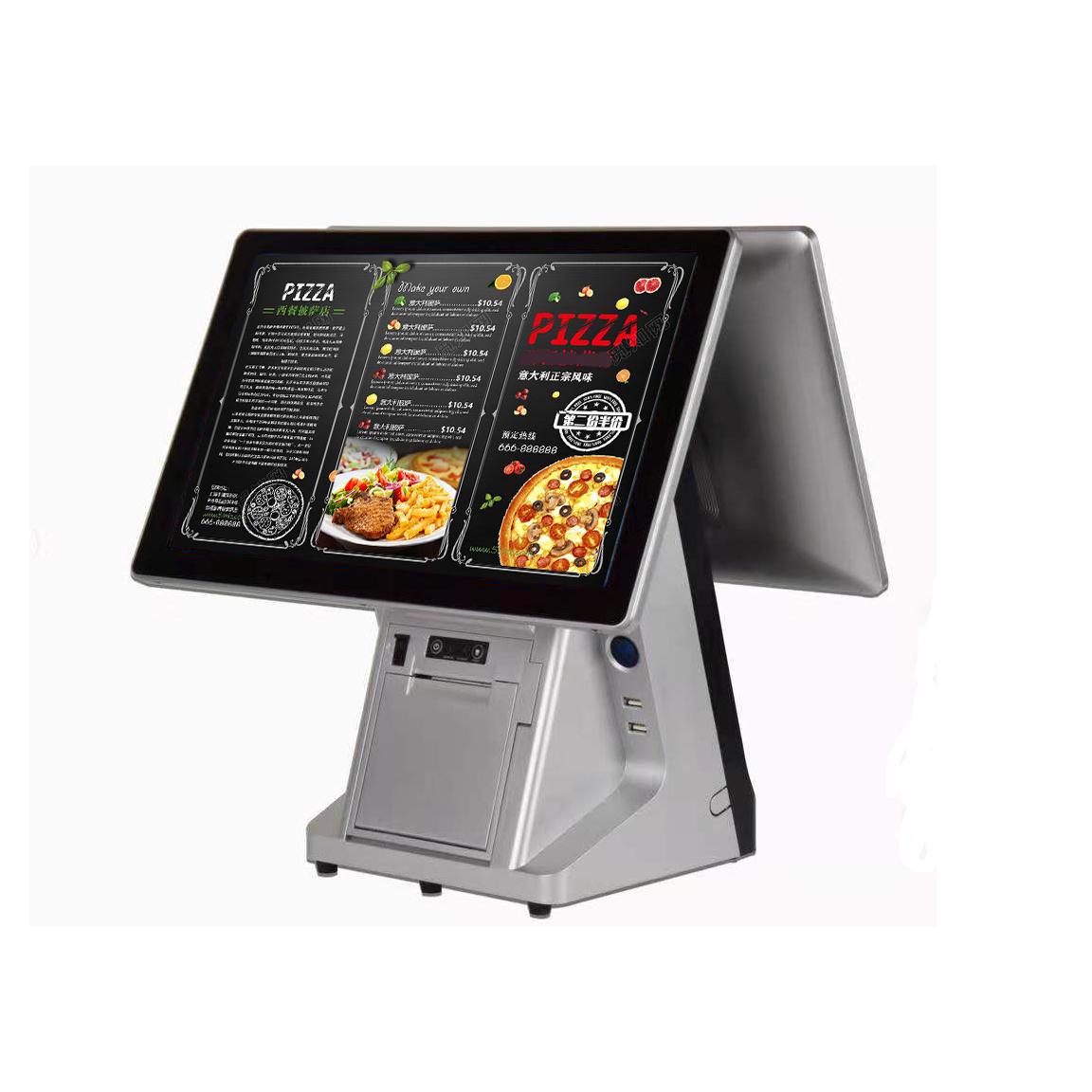
Cloud-based Point of Sale (POS) systems, such as Square and Shopify POS, offer an integrated approach to sales and inventory management. They enable businesses to process payments, track sales, and manage inventory from any location with internet access. The subscription-based model can lead to lower upfront costs compared to traditional cash registers. Moreover, automatic updates ensure that businesses are always using the latest technology. However, these systems require a stable internet connection, which may be a limitation in areas with poor connectivity.
A stock image related to cash register manufacturer.
Conclusion: Choosing the Right Solution for Your Business Needs
When selecting a cash handling solution, B2B buyers must consider their specific business needs, operational scale, and customer preferences. Cash register manufacturers remain a solid choice for businesses focused on traditional retail environments. In contrast, mobile payment solutions and cloud-based POS systems present innovative alternatives that can enhance flexibility and reduce costs. By evaluating the pros and cons of each option, buyers can make informed decisions that align with their strategic goals and operational requirements, ultimately leading to greater efficiency and customer satisfaction.
Essential Technical Properties and Trade Terminology for cash register manufacturer
What Are the Key Technical Properties of Cash Registers?
When evaluating cash registers for your business, understanding their technical specifications is crucial. Here are several key properties that international B2B buyers should consider:
-
Material Grade: The material used in cash register construction affects durability and performance. Stainless steel or high-grade plastic ensures longevity and resistance to wear and tear. A cash register made from inferior materials may lead to frequent repairs or replacements, impacting overall operational costs.
-
Tolerance Levels: Tolerance refers to the allowable variation in dimensions of the cash register components. High tolerance levels ensure precise fitting and operation, which is critical for devices like cash registers that require accurate transactions. Low tolerance can lead to mechanical failures and operational inefficiencies.
-
Display Technology: The type of display, whether LCD, LED, or touchscreen, can greatly influence user experience. A high-resolution display is essential for readability and ease of use, especially in fast-paced retail environments. Choosing the right display technology can enhance customer satisfaction and streamline operations.
-
Connectivity Options: Modern cash registers often feature multiple connectivity options, including USB, Bluetooth, and Wi-Fi. This allows for seamless integration with other systems, such as inventory management and accounting software. For businesses that prioritize efficiency, robust connectivity is non-negotiable.
-
Power Supply: Understanding whether a cash register operates on battery power, AC power, or both can impact its suitability for your business environment. Battery-operated models may offer portability, while AC-powered models provide constant operation, critical for high-volume sales settings.
What Trade Terminology Should B2B Buyers Know When Purchasing Cash Registers?
Navigating the purchasing process for cash registers also involves familiarizing yourself with industry jargon. Here are several key terms that can enhance your understanding:
-
OEM (Original Equipment Manufacturer): This term refers to companies that produce parts or equipment that may be marketed by another manufacturer. For buyers, working with OEMs can provide access to high-quality components and reliable service, as they are often industry leaders in their respective fields.
-
MOQ (Minimum Order Quantity): MOQ represents the smallest quantity of a product that a supplier is willing to sell. Understanding MOQ is essential for budgeting and inventory management, especially for businesses in regions like Africa and South America, where cash flow can be limited.
-
RFQ (Request for Quotation): An RFQ is a document sent to suppliers to solicit price offers for specific products or services. When purchasing cash registers, submitting an RFQ can help compare costs and terms across different manufacturers, enabling informed decision-making.
-
Incoterms (International Commercial Terms): These are a set of predefined international trade terms that clarify the responsibilities of buyers and sellers in shipping goods. Familiarity with Incoterms helps in understanding shipping costs, risks, and responsibilities, which is vital for international transactions, especially for buyers in the Middle East and Europe.
-
Warranty Period: This term defines the duration during which a product is guaranteed against defects in materials and workmanship. A longer warranty period can indicate manufacturer confidence in product durability and can significantly impact long-term operational costs.
By understanding these technical properties and trade terms, B2B buyers can make more informed purchasing decisions when selecting cash registers, ensuring they choose a product that meets their operational needs and budget constraints.
Navigating Market Dynamics and Sourcing Trends in the cash register manufacturer Sector
What Are the Current Market Dynamics and Key Trends in the Cash Register Manufacturing Sector?
The cash register manufacturing sector is experiencing significant transformation driven by technological advancements, changing consumer behaviors, and increased emphasis on data security. The global market is projected to grow due to the rising demand for integrated solutions that combine cash registers with payment processing and inventory management systems. For international B2B buyers, particularly in regions like Africa, South America, the Middle East, and Europe, understanding these dynamics is essential.
Emerging technologies, such as cloud computing and artificial intelligence, are reshaping how cash registers operate. Businesses are increasingly favoring cloud-based systems that offer real-time data access and remote management capabilities, enhancing operational efficiency. Additionally, the integration of mobile payment solutions has become a crucial trend, especially in emerging markets where smartphone penetration is high. B2B buyers should prioritize manufacturers that provide flexible and scalable solutions to accommodate evolving payment preferences.
The ongoing transition towards contactless transactions, accelerated by the COVID-19 pandemic, is another key trend. This shift necessitates that cash register manufacturers innovate to meet consumer expectations for speed and convenience. International buyers must evaluate suppliers based on their ability to deliver advanced, user-friendly technology that complies with local regulations and payment standards.
How Is Sustainability and Ethical Sourcing Reshaping the Cash Register Manufacturing Sector?
Sustainability is becoming a non-negotiable aspect of sourcing in the cash register manufacturing sector. B2B buyers are increasingly aware of the environmental impacts of their procurement decisions, prompting a shift towards sustainable practices. Manufacturers are now expected to demonstrate their commitment to sustainability through transparent supply chains and eco-friendly materials.
A stock image related to cash register manufacturer.
Ethical sourcing plays a critical role in this landscape. Buyers should seek out manufacturers that prioritize fair labor practices and sustainable resource management. Certifications such as ISO 14001 (Environmental Management) and FSC (Forest Stewardship Council) indicate a manufacturer’s dedication to minimizing environmental impact. Additionally, the use of recyclable materials and energy-efficient production processes can enhance a company’s sustainability profile.
For international buyers, particularly from regions with stringent environmental regulations, selecting suppliers that align with these values is crucial. Establishing partnerships with manufacturers committed to sustainability not only helps mitigate risks associated with regulatory compliance but also enhances brand reputation among environmentally conscious consumers.
What Is the Brief Evolution and History of Cash Register Manufacturing?
The cash register manufacturing sector has evolved significantly since the introduction of the first mechanical cash register by James Ritty in 1879. Originally designed to prevent employee theft, these devices have transformed into sophisticated point-of-sale (POS) systems that integrate various functionalities, including payment processing, inventory management, and customer relationship management.
The late 20th century marked a pivotal shift as electronic cash registers emerged, enhancing transaction speed and accuracy. The advent of computers in the 1980s further revolutionized the industry, leading to the development of advanced POS systems that cater to diverse business needs. Today, the focus has shifted towards integrating cloud technology and mobile payment solutions, reflecting changing consumer preferences and technological advancements.
Understanding this evolution provides B2B buyers with insight into the capabilities and innovations that define today’s cash register solutions. As the market continues to adapt to technological advancements and consumer demands, buyers must stay informed to make strategic sourcing decisions that align with their operational goals.
Frequently Asked Questions (FAQs) for B2B Buyers of cash register manufacturer
-
How can I determine the right cash register manufacturer for my business needs?
To find the right cash register manufacturer, assess your specific requirements such as transaction volume, industry type, and desired features. Research manufacturers that specialize in your industry, and check their product ranges for customization options. Look for customer reviews, case studies, and testimonials to gauge their reliability and quality. Additionally, consider manufacturers with a strong support system and warranty offerings to ensure ongoing assistance. -
What features should I look for in a cash register for my retail business?
When selecting a cash register, prioritize features that enhance operational efficiency. Look for models with integrated payment processing, inventory management, and sales reporting capabilities. User-friendly interfaces and customizable layouts are essential for employee training and customer interactions. Also, consider connectivity options such as Wi-Fi or Bluetooth for seamless integration with other business systems, ensuring you can adapt to future technological advances. -
What are the common payment terms when sourcing cash registers internationally?
Payment terms for international transactions can vary widely. Common options include advance payment, letters of credit, or payment upon delivery. Negotiate terms that suit both parties, considering factors like order size and trust level. It’s advisable to request a payment schedule that minimizes risk, such as partial payments with milestones, ensuring you maintain cash flow while securing your investment. -
What is the minimum order quantity (MOQ) for cash registers from manufacturers?
The MOQ for cash registers varies by manufacturer and can depend on the complexity of the product. Some manufacturers may offer low MOQs for standard models, while custom features could require larger orders. It’s essential to communicate your needs clearly and inquire about flexibility in MOQs, especially if you are a startup or a small business looking to minimize initial costs. -
How can I ensure the quality of cash registers when sourcing from international manufacturers?
To ensure quality, conduct thorough supplier vetting. Request product samples and assess their performance in real-world scenarios. Verify certifications, quality control processes, and compliance with international standards. Establish communication with the manufacturer to understand their production methods and after-sales support, including warranties and service availability, to ensure you receive a reliable product. -
What logistics considerations should I keep in mind when importing cash registers?
When importing cash registers, consider shipping methods, costs, and delivery timelines. Ensure that the manufacturer provides clear information on packaging and handling to prevent damage during transit. Familiarize yourself with customs regulations in your country, including tariffs and import duties, to avoid unexpected costs. Engaging a freight forwarder can also streamline the logistics process and help you navigate complex regulations. -
Can cash registers be customized to fit specific business needs?
Yes, many manufacturers offer customization options to tailor cash registers to your specific business requirements. Customization can include software modifications for industry-specific applications, hardware adjustments, or unique branding elements. Discuss your needs with potential suppliers early in the negotiation process to explore available options, ensuring the final product aligns with your operational goals. -
What after-sales support can I expect from cash register manufacturers?
After-sales support varies by manufacturer but typically includes warranty coverage, technical assistance, and software updates. Look for manufacturers that offer comprehensive support packages, including training for your staff and troubleshooting services. Establish clear communication channels for ongoing support to quickly address any operational challenges, ensuring your cash register system remains efficient and functional.
Important Disclaimer & Terms of Use
⚠️ Important Disclaimer
The information provided in this guide, including content regarding manufacturers, technical specifications, and market analysis, is for informational and educational purposes only. It does not constitute professional procurement advice, financial advice, or legal advice.
While we have made every effort to ensure the accuracy and timeliness of the information, we are not responsible for any errors, omissions, or outdated information. Market conditions, company details, and technical standards are subject to change.
B2B buyers must conduct their own independent and thorough due diligence before making any purchasing decisions. This includes contacting suppliers directly, verifying certifications, requesting samples, and seeking professional consultation. The risk of relying on any information in this guide is borne solely by the reader.
Strategic Sourcing Conclusion and Outlook for cash register manufacturer
What Are the Key Takeaways for B2B Buyers in the Cash Register Market?
In conclusion, strategic sourcing remains an invaluable approach for international B2B buyers looking to procure cash registers efficiently. Understanding market trends, supplier capabilities, and potential risks in sourcing decisions can significantly enhance purchasing power and operational efficiency. Buyers from Africa, South America, the Middle East, and Europe should prioritize partnerships with manufacturers who offer customizable solutions, competitive pricing, and robust after-sales support.
How Can B2B Buyers Enhance Their Sourcing Strategy?
By leveraging data analytics and market insights, buyers can identify the most suitable suppliers and negotiate better terms. It is essential to assess not only the cost but also the total value proposition, which includes quality, technology, and service reliability. Engaging in multi-sourcing strategies can mitigate risks and ensure continuity in supply.
What Does the Future Hold for Cash Register Manufacturers?
As the retail landscape evolves, cash register manufacturers will increasingly focus on integrating innovative technologies such as cloud solutions and mobile payment systems. For international B2B buyers, staying ahead of these trends will be crucial. Embracing a proactive sourcing strategy today will position businesses favorably for tomorrow’s challenges and opportunities. Take the next step in optimizing your supply chain and explore partnerships that align with your growth objectives.
