
Discover Top Cash Register Suppliers: Your Complete Guide (2025)
Introduction: Navigating the Global Market for cash register supplier
Navigating the intricacies of sourcing a reliable cash register supplier can be a daunting challenge for international B2B buyers, especially in diverse markets such as Africa, South America, the Middle East, and Europe. As businesses strive to enhance operational efficiency and customer experience, the need for high-quality cash register systems has never been more critical. This guide aims to demystify the global market landscape for cash register suppliers, offering insights into various types of systems, their applications across different industries, and essential supplier vetting processes.
Understanding the nuances of cash register technologies—from traditional point-of-sale systems to advanced cloud-based solutions—empowers businesses to make informed purchasing decisions. This guide will cover vital considerations including features, compatibility with existing infrastructure, and supplier reliability. Additionally, it will delve into pricing structures and cost-saving strategies, ensuring that buyers can negotiate effectively and maximize their investment.
By equipping B2B buyers with comprehensive knowledge and actionable strategies, this guide serves as an essential resource for making sound purchasing choices. Whether you are based in Poland, Brazil, or any other region, the insights provided here will help you navigate the global market confidently, ensuring that you select a cash register supplier that aligns with your business needs and growth objectives.
Understanding cash register supplier Types and Variations
| Type Name | Key Distinguishing Features | Primary B2B Applications | Brief Pros & Cons for Buyers |
|---|---|---|---|
| Traditional Cash Registers | Mechanical or electronic devices that record sales transactions. | Retail stores, small businesses | Pros: Simple to use, low initial cost. Cons: Limited functionality, less integration with digital systems. |
| POS (Point of Sale) Systems | Integrated systems that combine hardware and software for sales processing. | Restaurants, retail chains | Pros: Comprehensive reporting, inventory management. Cons: Higher cost, requires training. |
| Mobile Payment Solutions | Apps or devices that facilitate transactions via smartphones or tablets. | Pop-up shops, market vendors | Pros: Portability, low setup costs. Cons: Dependence on internet connectivity, potential security risks. |
| Cloud-Based Cash Registers | Systems that operate through the cloud, allowing remote access and updates. | E-commerce, multi-location retailers | Pros: Scalability, real-time data access. Cons: Ongoing subscription costs, reliance on internet. |
| Self-Service Kiosks | Automated systems allowing customers to complete transactions independently. | Fast food, entertainment venues | Pros: Reduces labor costs, enhances customer experience. Cons: Initial investment, maintenance requirements. |
What Are the Key Characteristics of Traditional Cash Registers?
Traditional cash registers are typically mechanical or basic electronic devices that perform the fundamental function of recording sales transactions. They are best suited for small businesses or retail stores that require a straightforward solution without the need for advanced features. When considering a purchase, B2B buyers should evaluate the volume of transactions, as these systems may lack the capabilities for detailed reporting or inventory management.
How Do POS Systems Enhance Business Operations?
POS (Point of Sale) systems are comprehensive solutions that integrate hardware and software, enabling businesses to process sales efficiently while managing inventory and generating reports. They are ideal for restaurants and retail chains that require robust data analytics and customer management tools. Buyers should consider the total cost of ownership, including software licensing, training, and potential upgrades, as these systems can be more expensive than traditional cash registers but offer significant long-term benefits.
Why Choose Mobile Payment Solutions for Flexibility?
Mobile payment solutions are designed for businesses that operate in dynamic environments, such as pop-up shops or market vendors. These systems leverage smartphones or tablets to facilitate transactions, providing a portable and cost-effective option for small-scale operations. When evaluating these solutions, B2B buyers should assess their internet connectivity and security measures, as these factors can greatly influence the reliability and safety of transactions.
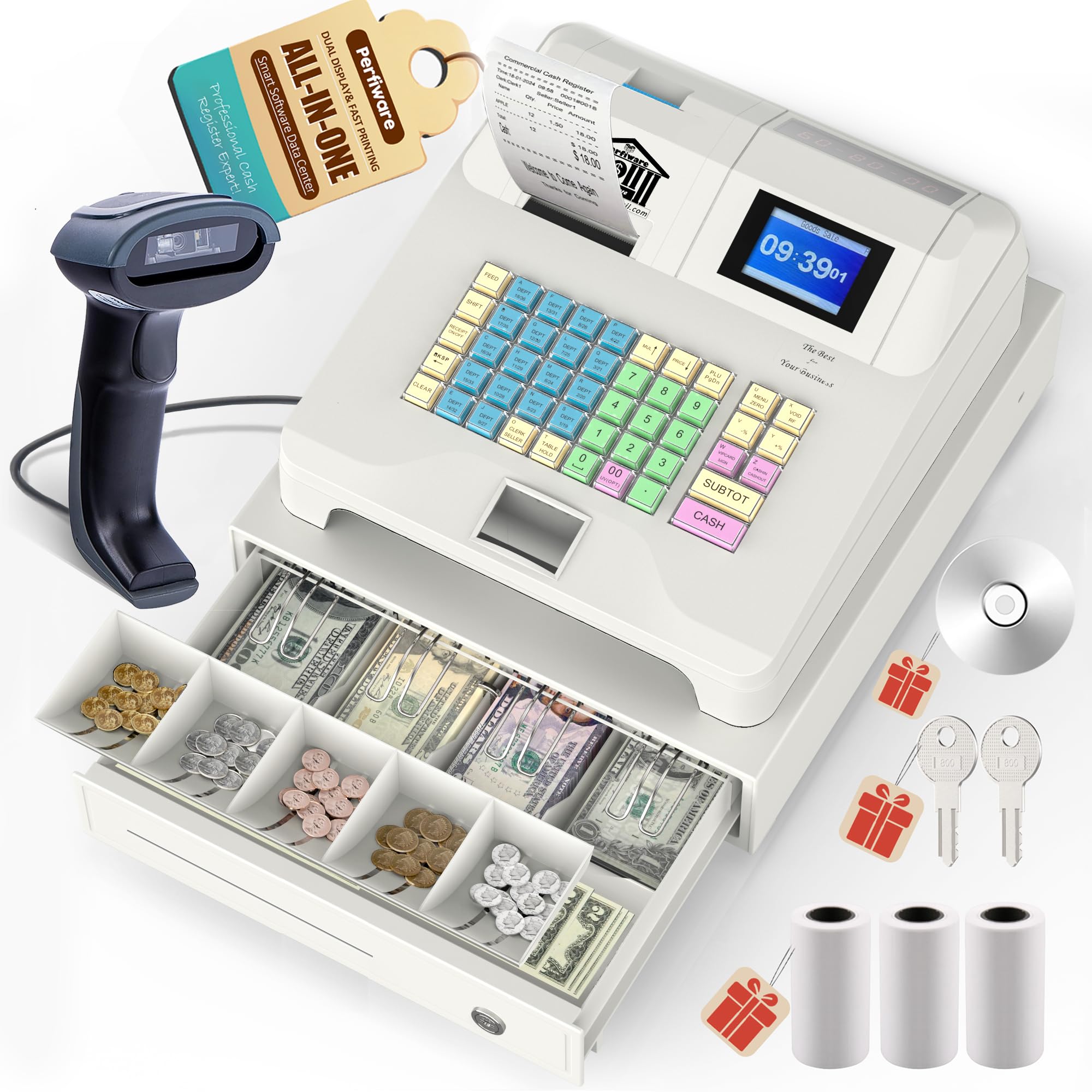
A stock image related to cash register supplier.
What Advantages Do Cloud-Based Cash Registers Offer?
Cloud-based cash registers allow businesses to manage their sales data remotely, providing real-time access and updates from any location. This is particularly beneficial for e-commerce businesses and retailers with multiple locations. Buyers need to consider the subscription costs and ensure they have a reliable internet connection, as these systems depend on cloud services. The scalability of cloud-based solutions is a significant advantage for growing businesses.
How Do Self-Service Kiosks Transform Customer Interaction?
Self-service kiosks enable customers to complete transactions independently, which can significantly reduce labor costs and enhance the customer experience. These systems are commonly used in fast food and entertainment venues, where quick service is essential. B2B buyers should weigh the initial investment and ongoing maintenance needs against the potential for increased efficiency and customer satisfaction. Understanding customer preferences and usage patterns will also help in making an informed decision.
Related Video: Cash Register Programming
Key Industrial Applications of cash register supplier
| Industry/Sector | Specific Application of cash register supplier | Value/Benefit for the Business | Key Sourcing Considerations for this Application |
|---|---|---|---|
| Retail | Point of Sale (POS) Systems | Streamlined transactions, improved customer experience | Compatibility with existing systems, after-sales support |
| Hospitality | Integrated Billing Solutions | Efficient order processing and billing management | Customization options, multi-currency support |
| E-commerce | Online Payment Processing | Enhanced security and convenience for online transactions | Integration with e-commerce platforms, transaction fees |
| Food & Beverage | Inventory Management and Sales Tracking | Real-time inventory control, reduced waste | Scalability, user-friendly interface |
| Healthcare | Patient Billing Systems | Accurate billing and improved patient service | Compliance with local regulations, data security |
How is Cash Register Supplier Used in Retail Settings?
In the retail sector, cash register suppliers provide advanced Point of Sale (POS) systems that facilitate seamless transactions. These systems often integrate with inventory management, allowing businesses to track stock levels in real-time. For international B2B buyers, especially from regions like Africa and South America, sourcing a POS system that is compatible with local payment methods and currencies is crucial. Additionally, after-sales support and training for staff can significantly enhance the value of the investment.
What Role Does Cash Register Supplier Play in the Hospitality Industry?
In hospitality, cash register suppliers offer integrated billing solutions that streamline order processing and enhance customer satisfaction. These systems allow for quick table management and bill splitting, which is essential in busy environments such as restaurants and hotels. Buyers in the Middle East and Europe should prioritize suppliers that offer customization options to accommodate diverse customer needs, along with multi-currency support to cater to international clientele.
How Does Cash Register Supplier Enhance E-commerce Operations?
For e-commerce businesses, cash register suppliers provide online payment processing solutions that ensure secure and efficient transactions. These systems help mitigate risks associated with fraud and enhance the overall shopping experience for customers. International B2B buyers, particularly from Brazil and Poland, should consider the integration capabilities of these solutions with existing e-commerce platforms and the associated transaction fees, as these factors can significantly impact profitability.
What Benefits Do Food & Beverage Industries Gain from Cash Register Suppliers?
In the food and beverage sector, cash register suppliers offer solutions that integrate inventory management with sales tracking. This functionality allows businesses to maintain real-time visibility into stock levels, thereby reducing waste and optimizing supply chains. Buyers in Africa and South America should look for scalable systems that can grow with their business needs and ensure a user-friendly interface for staff training and operation.
How are Cash Register Suppliers Used in Healthcare Billing?
In healthcare, cash register suppliers provide patient billing systems that ensure accurate billing and enhance patient service. These systems help healthcare providers streamline administrative processes, reducing errors and improving cash flow. For international buyers in Europe and the Middle East, compliance with local regulations and robust data security features are critical factors to consider when sourcing these systems, as they directly impact patient trust and operational efficiency.
3 Common User Pain Points for ‘cash register supplier’ & Their Solutions
Scenario 1: Managing Currency Variability in Transactions
The Problem:
International B2B buyers, particularly those from regions like Africa and South America, often face challenges due to fluctuating currency values. When sourcing cash registers, this variability can lead to discrepancies in pricing, affecting budgeting and financial planning. For example, a supplier may quote a price in USD, but by the time the transaction is completed, the local currency may have depreciated, resulting in unexpected costs that impact profit margins.
The Solution:
To mitigate this issue, it is crucial for buyers to negotiate fixed pricing agreements in their local currency, if possible. Additionally, utilizing cash registers that offer multi-currency support can be beneficial. These systems allow for seamless transactions in various currencies, thereby minimizing confusion and the potential for loss due to currency exchange rates. Buyers should also consider using forward contracts or currency hedging strategies to lock in exchange rates, providing further financial stability.
Scenario 2: Integrating New Technology with Existing Systems
The Problem:
Many businesses have legacy systems that may not easily integrate with new cash register technology. This incompatibility can lead to operational inefficiencies, data discrepancies, and increased training costs for staff. For example, a retailer in Europe might find that their new cash register system does not sync with their existing inventory management software, creating additional manual work and the potential for errors.
The Solution:
When selecting a cash register supplier, buyers should prioritize those who offer flexible integration options and robust API support. Conducting thorough research on compatibility with existing systems before making a purchase is critical. Buyers should also engage with suppliers that provide comprehensive training and support during the integration phase. This not only ensures a smoother transition but also helps in maximizing the ROI of the new system.
Scenario 3: Ensuring Compliance with Local Regulations
The Problem:
Regulatory compliance is a significant concern for B2B buyers, especially in regions like the Middle East and Europe, where tax laws and consumer protection regulations can vary widely. Cash registers must adhere to local regulations regarding data security, tax calculations, and electronic payment processing. A failure to comply can result in hefty fines and damage to the business’s reputation.
The Solution:
To address compliance issues, it is essential for buyers to engage with suppliers who have a strong understanding of local regulations and can provide cash register systems that are compliant. Before finalizing a purchase, buyers should ask for documentation and certifications that demonstrate compliance with local laws. Additionally, partnering with suppliers who offer ongoing software updates can help ensure that the cash register remains compliant as regulations change. Regular audits and consultations with legal experts can further safeguard against compliance-related risks.
Strategic Material Selection Guide for cash register supplier
When selecting materials for cash registers, international B2B buyers must consider several factors that influence product performance, durability, and compliance with regional standards. Below, we analyze four common materials used in cash register manufacturing, focusing on their properties, advantages, disadvantages, and implications for buyers from Africa, South America, the Middle East, and Europe.
What Are the Key Properties of Plastic in Cash Register Manufacturing?
Plastic is a popular choice in cash register production due to its versatility and cost-effectiveness. Key properties include lightweight composition, resistance to corrosion, and ease of molding into complex shapes. Plastics can withstand moderate temperatures and pressures, making them suitable for various applications within cash registers.
Pros and Cons of Plastic in Cash Registers
The primary advantage of plastic is its low cost and ease of manufacturing, allowing for mass production. However, its durability can be a concern, particularly in high-traffic environments. Plastics may also degrade over time when exposed to UV light or certain chemicals, which could impact long-term performance.
Impact on Application
Plastic components are often used for housing and buttons, providing a lightweight and aesthetically pleasing finish. However, they may not be suitable for parts that experience high wear or require high-temperature resistance.
Considerations for International Buyers
Buyers should ensure that the plastic used complies with relevant safety standards such as ASTM or DIN, especially in regions with strict regulations. For instance, European buyers may prioritize materials that meet REACH compliance.
How Does Metal Compare as a Material for Cash Registers?
Metal, particularly steel and aluminum, is frequently used in cash register construction due to its strength and durability. Metals provide excellent corrosion resistance and can withstand higher temperatures and pressures compared to plastics.
Pros and Cons of Metal in Cash Registers
The main advantage of using metal is its robustness, which can enhance the longevity of cash registers in demanding environments. However, the cost of metal components is generally higher, and manufacturing processes can be more complex, requiring specialized equipment.
Impact on Application
Metal is often used for structural components and internal mechanisms, where strength and durability are critical. However, metal parts can add significant weight to the cash register, which may affect portability.
Considerations for International Buyers
International buyers should be aware of the specific grades of metal that comply with local standards. For example, buyers in Brazil may need to consider local manufacturing capabilities and metal sourcing to ensure compliance with national regulations.
What Are the Benefits of Using Glass in Cash Register Designs?
Glass is increasingly being used in cash register designs, particularly for display screens and protective covers. Its key properties include high transparency, scratch resistance, and ease of cleaning.
Pros and Cons of Glass in Cash Registers
The primary advantage of glass is its aesthetic appeal and ability to enhance user experience through clear displays. However, glass is fragile and can break easily, which poses a risk in high-traffic environments. Additionally, the cost of glass components can be higher than plastic.
Impact on Application
Glass is commonly utilized for display panels and protective covers, providing a modern look while ensuring visibility. However, its fragility may limit its use in certain applications where durability is paramount.
Considerations for International Buyers
Buyers should consider the regulations surrounding glass safety and impact resistance, especially in regions like the Middle East, where extreme conditions may affect material performance. Compliance with standards such as DIN 1249 or ASTM C1036 may be necessary.
Why Is Composite Material Gaining Popularity in Cash Register Manufacturing?
Composite materials combine various substances to create a product that offers superior properties. These materials are increasingly used in cash registers for their strength, lightweight characteristics, and resistance to environmental factors.
Pros and Cons of Composite Materials in Cash Registers
The key advantage of composites is their ability to provide tailored properties, such as enhanced strength-to-weight ratios and resistance to corrosion. However, they can be more expensive than traditional materials, and manufacturing processes can be complex.
Impact on Application
Composites are often used in high-performance applications where weight savings and durability are critical. They can be ideal for portable cash registers that need to withstand harsh conditions.
Considerations for International Buyers
Buyers should ensure that composite materials meet local compliance standards and are sourced from reputable manufacturers. In regions like Europe, adherence to environmental regulations such as RoHS is crucial.
Summary Table of Material Selection for Cash Register Suppliers
| Material | Typical Use Case for Cash Register Supplier | Key Advantage | Key Disadvantage/Limitation | Relative Cost (Low/Med/High) |
|---|---|---|---|---|
| Plastic | Housing and buttons | Cost-effective and easy to mold | Less durable than metals | Low |
| Metal | Structural components | High durability and strength | Higher cost and complexity | High |
| Glass | Display panels and protective covers | Aesthetic appeal and visibility | Fragile and easily breakable | Medium |
| Composite | High-performance applications | Tailored properties and lightweight | Expensive and complex to manufacture | High |
This strategic material selection guide provides valuable insights for international B2B buyers in navigating the complexities of cash register material choices. By understanding the properties and implications of each material, buyers can make informed decisions that align with their operational needs and regional compliance requirements.
In-depth Look: Manufacturing Processes and Quality Assurance for cash register supplier
What Are the Main Stages of Manufacturing Cash Registers?
The manufacturing process for cash registers involves several critical stages that ensure the final product meets both functional and quality standards. These stages typically include:
-
Material Preparation: The initial stage involves selecting and preparing raw materials, such as metals, plastics, and electronic components. Suppliers often source these materials based on specific performance criteria, which can vary based on regional requirements and standards. For international buyers, understanding the source and quality of materials is crucial, as it impacts durability and compliance with local regulations.
-
Forming: In this stage, materials are shaped into components using techniques like injection molding for plastic parts and stamping or machining for metal components. Buyers should inquire about the forming methods used, as advanced techniques can improve precision and reduce waste, ultimately affecting cost efficiency.
-
Assembly: This is where individual components come together to form the cash register. Assembly can be manual or automated, with automated processes often leading to higher consistency and lower production times. B2B buyers should assess the assembly line’s flexibility to accommodate custom orders or modifications, particularly for markets in Africa and South America, where specific features may be required.
-
Finishing: The final stage includes surface treatment, painting, and final inspections. Finishing techniques can significantly affect the aesthetics and resistance of the product to wear and tear. Buyers should consider the types of finishes offered and their implications for maintenance and longevity, especially in diverse climates found across Europe, the Middle East, and South America.
How Do Quality Control Processes Ensure Cash Register Reliability?
Quality assurance is a vital part of manufacturing cash registers, ensuring that the products meet international standards and customer expectations. Key aspects of quality control include:
-
International Standards Compliance: Adhering to standards such as ISO 9001 is essential for manufacturers targeting international markets. ISO 9001 outlines criteria for a quality management system (QMS) and demonstrates a commitment to quality. B2B buyers should prioritize suppliers who are certified, as it indicates a structured approach to quality management.
-
Industry-Specific Certifications: Depending on the region, additional certifications like CE marking (for European markets) or API (American Petroleum Institute standards for electronic components) may be necessary. Buyers from Europe, particularly Poland, should ensure that their suppliers comply with these certifications to avoid regulatory issues.
-
Quality Control Checkpoints: Effective QC processes include several checkpoints:
– Incoming Quality Control (IQC): This involves inspecting raw materials and components upon arrival to ensure they meet specified requirements.
– In-Process Quality Control (IPQC): During manufacturing, periodic checks are performed to ensure that the processes remain within specified limits.
– Final Quality Control (FQC): After assembly, a comprehensive inspection is carried out to verify the overall functionality and quality of the cash register before shipping.
What Common Testing Methods Are Used in Cash Register Manufacturing?
Testing methods are integral to quality assurance in the cash register supply chain. Common approaches include:
-
Functional Testing: This ensures that all electronic and mechanical functions operate correctly. Testing scenarios may include transaction processing, receipt printing, and connectivity with peripheral devices.
-
Environmental Testing: Cash registers may be subjected to various environmental conditions, including temperature and humidity tests, to ensure they can withstand different climates. This is particularly relevant for buyers in Africa and the Middle East, where environmental extremes can affect device performance.
-
Durability Testing: This involves stress testing the physical components of the cash register to evaluate their longevity under heavy use. Buyers should confirm that suppliers perform this testing and request documentation on durability standards.
How Can B2B Buyers Verify Supplier Quality Control Measures?
Verification of a supplier’s quality control processes is crucial for international B2B buyers. Here are some actionable steps:
-
Supplier Audits: Conducting audits allows buyers to assess the manufacturing environment and quality practices directly. This can include reviewing documentation related to quality management systems and inspecting manufacturing processes firsthand.
-
Requesting Quality Reports: Suppliers should be willing to provide detailed quality reports, including testing outcomes and compliance certifications. Buyers should look for transparency in reporting to build trust in the supplier’s capabilities.
-
Third-Party Inspections: Engaging a third-party inspection service can provide an unbiased assessment of the supplier’s quality control processes. This can be particularly beneficial for buyers operating in regions where they cannot physically inspect the facility.
What Are the Nuances of Quality Control for International B2B Buyers?
Navigating the quality control landscape can be complex for international buyers, particularly those from diverse regions like Africa, South America, the Middle East, and Europe. Some key considerations include:
-
Cultural and Regulatory Differences: Understanding local regulations and industry standards is crucial. For instance, cash registers sold in the EU must comply with CE marking requirements, while different regions may have unique compliance demands.
-
Language Barriers: Documentation and communication can sometimes be hindered by language differences. Buyers should ensure that key quality documents are available in a language they understand to avoid misinterpretations.
-
Supply Chain Transparency: Establishing a transparent supply chain is essential for maintaining quality. Buyers should prioritize suppliers who are open about their sourcing practices and manufacturing processes, as this can significantly affect the final product’s quality.
In summary, understanding the manufacturing processes and quality assurance measures in cash register production is essential for B2B buyers. By focusing on these areas, buyers can make informed decisions, ensuring they receive high-quality products that meet their specific needs in various markets.
Practical Sourcing Guide: A Step-by-Step Checklist for ‘cash register supplier’
In this practical sourcing guide, we aim to provide a step-by-step checklist that international B2B buyers can use when procuring cash register suppliers. This guide is tailored to meet the unique needs of businesses operating in diverse regions, including Africa, South America, the Middle East, and Europe. By following these steps, buyers can make informed decisions, ensuring they select the right supplier to meet their operational requirements.
Step 1: Define Your Technical Specifications
Before engaging with potential suppliers, it is essential to outline your specific technical requirements. This includes the type of cash register system needed, integration capabilities with existing software, and desired features like touchscreen interfaces or mobile compatibility. Clearly defined specifications help in evaluating suppliers’ offerings and ensure alignment with your operational needs.
Step 2: Research Market Trends and Innovations
Understanding current trends and technological innovations in the cash register market is crucial. Look for advancements such as cloud-based systems, mobile payment integrations, and data analytics capabilities. This knowledge not only informs your purchasing decisions but also helps you identify suppliers that are at the forefront of these innovations.
Step 3: Evaluate Potential Suppliers
Before committing to a supplier, thorough evaluation is vital. Request detailed company profiles, client references, and case studies showcasing their experience in your industry. Pay attention to reviews and testimonials, particularly from businesses in similar regions, to gauge reliability and performance.
- Check for Local Presence: Suppliers with a local office or representation can offer better support and quicker response times.
- Assess Customer Service: Evaluate their responsiveness and willingness to provide ongoing support.
Step 4: Verify Supplier Certifications
Ensure that the potential suppliers hold relevant certifications and comply with local regulations. Certifications such as ISO standards or industry-specific accreditations indicate a commitment to quality and reliability. This step is particularly important in regions with strict compliance requirements, as it can prevent future legal or operational issues.
Step 5: Request Samples and Demonstrations
Before finalizing your choice, request product samples or demonstrations. This allows you to assess the usability and functionality of the cash register systems firsthand. Pay attention to the user interface, ease of use, and how well the system integrates with your existing processes.
- Engage Staff for Feedback: Involve team members who will be using the system to gather their insights during demonstrations.
Step 6: Negotiate Terms and Pricing
Once you have identified a preferred supplier, it’s time to negotiate terms. Discuss pricing, payment options, delivery schedules, and warranty conditions. Be clear about your budget constraints and seek flexibility where possible.
- Consider Total Cost of Ownership: Evaluate ongoing costs, including maintenance, software updates, and support, to understand the true financial impact of your decision.
Step 7: Establish a Clear Contract
Finalize the agreement with a detailed contract that outlines all terms and conditions. Ensure it includes clauses for service level agreements (SLAs), delivery timelines, and penalties for non-compliance. A well-structured contract protects your investment and sets clear expectations for both parties.
By following this comprehensive checklist, B2B buyers can navigate the complexities of sourcing cash register suppliers effectively, ensuring a successful partnership that meets their business needs.
Comprehensive Cost and Pricing Analysis for cash register supplier Sourcing
What Are the Key Cost Components in Cash Register Supplier Sourcing?
When evaluating cash register suppliers, understanding the cost structure is crucial for international B2B buyers. The primary cost components include:
-
Materials: The quality and type of materials used in manufacturing cash registers significantly impact the overall cost. Premium materials, such as durable plastics or metals, can increase expenses but may lead to longer-lasting products.
-
Labor: Labor costs vary by region and can influence pricing. Countries with lower labor costs may offer competitive pricing, but it’s essential to consider the quality and skill level of the workforce involved in production.
-
Manufacturing Overhead: This includes expenses related to utilities, rent, and equipment maintenance. Efficient production processes can help reduce these costs, which may be passed on to buyers.
-
Tooling: Initial costs for tooling can be substantial, especially for customized cash registers. Buyers should inquire about tooling costs upfront, particularly if they require specific modifications.
-
Quality Control (QC): Rigorous QC processes ensure product reliability and compliance with industry standards. However, these processes come with additional costs, which can influence the final price.
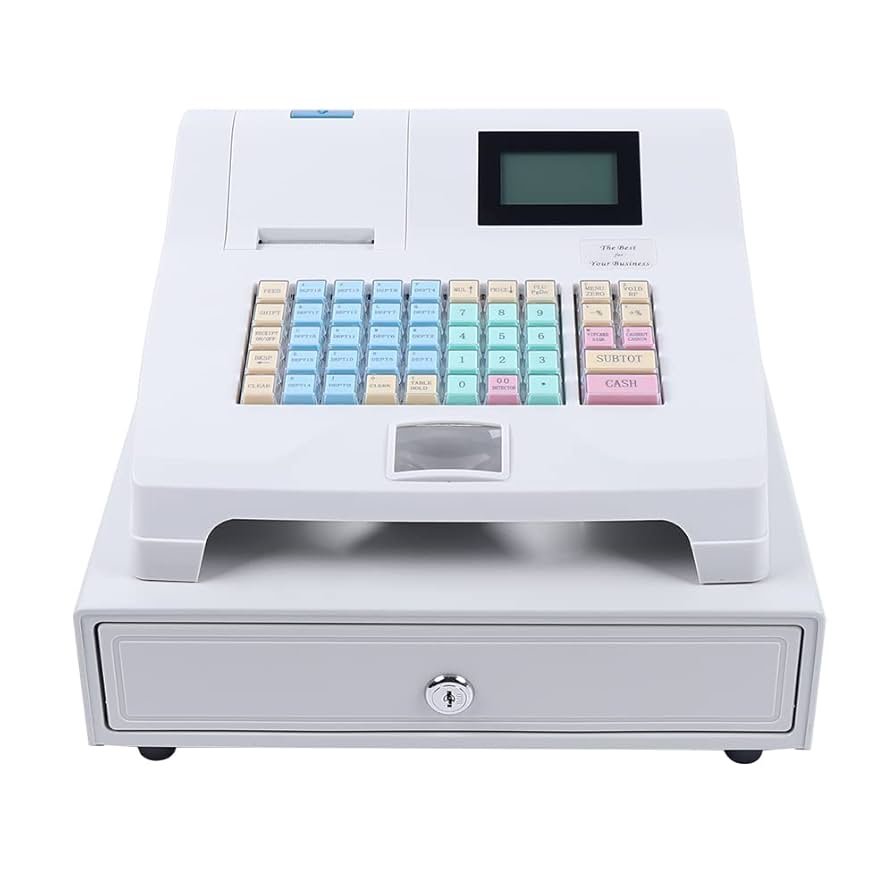
A stock image related to cash register supplier.
-
Logistics: Shipping and transportation costs can vary significantly based on the supplier’s location and the buyer’s destination. Incoterms play a vital role in determining who bears these costs and risks.
-
Margin: Suppliers typically add a margin to cover their costs and generate profit. Understanding the supplier’s margin expectations can help buyers negotiate better deals.
How Do Price Influencers Affect Cash Register Procurement?
Several factors can influence pricing in the cash register supply chain, which buyers must consider:
-
Volume/MOQ: Minimum order quantities (MOQs) can affect pricing significantly. Bulk purchases often lead to discounts, making it advantageous for buyers to consolidate orders.
-
Specifications and Customization: Customized cash registers tailored to specific business needs can lead to higher costs. Buyers should weigh the benefits of customization against potential price increases.
-
Material Selection: The choice of materials directly impacts the cost. While opting for high-quality materials may increase the upfront price, they may also result in lower maintenance costs over time.
-
Quality and Certifications: Products that meet international quality standards or possess certifications may come at a premium. However, these certifications can enhance trust and reliability in the product.
-
Supplier Factors: The reputation and reliability of the supplier can influence pricing. Established suppliers with a history of quality and service may charge more but provide better long-term value.
-
Incoterms: Understanding Incoterms is essential for determining the allocation of shipping costs and risks. This knowledge can help buyers negotiate better terms and minimize unforeseen expenses.
What Are Essential Buyer Tips for Cost Efficiency in Cash Register Sourcing?
For international B2B buyers from regions such as Africa, South America, the Middle East, and Europe, leveraging cost efficiencies is crucial:
-
Negotiation Strategies: Always negotiate on price, especially when placing large orders. Suppliers may have flexibility in their pricing structure, particularly for bulk purchases.
-
Evaluate Total Cost of Ownership (TCO): Consider not just the purchase price but the total cost of ownership, which includes maintenance, operational costs, and potential downtime. A slightly higher initial investment may lead to savings over the product’s lifespan.
-
Pricing Nuances for Different Regions: Understand regional pricing dynamics. For example, European suppliers may have higher labor costs than those in South America, affecting the overall pricing strategy.
-
Research and Compare Suppliers: Take the time to research multiple suppliers. Comparing quotes and understanding their cost structures can empower buyers during negotiations.
Conclusion
While the cash register market can present complexities in pricing and cost structures, international B2B buyers can navigate these challenges effectively by understanding the various cost components, price influencers, and actionable strategies for negotiation and procurement. Always approach sourcing with a comprehensive view of total costs and long-term value to maximize your investment.
Disclaimer: Prices and cost structures can vary widely based on market conditions, supplier negotiations, and geographical factors. Always conduct thorough research and due diligence when sourcing cash registers.
Alternatives Analysis: Comparing cash register supplier With Other Solutions
When evaluating solutions for cash management, it’s essential to consider various alternatives that can meet your business needs effectively. While traditional cash register suppliers offer a reliable means of processing transactions, emerging technologies and methods can provide enhanced features and efficiencies. This section compares cash register suppliers with two notable alternatives: Point of Sale (POS) systems and Mobile Payment Solutions.
| Comparison Aspect | Cash Register Supplier | POS System | Mobile Payment Solution |
|---|---|---|---|
| Performance | Reliable for basic transactions | High functionality with reporting features | Quick transactions, often integrated with apps |
| Cost | Generally lower upfront costs | Higher initial investment but offers long-term savings | Variable costs, often based on transaction fees |
| Ease of Implementation | Simple setup, minimal training required | More complex, requires training and integration | Easy to set up, can be used immediately |
| Maintenance | Low maintenance needs | Regular updates needed, some ongoing costs | Minimal maintenance, software updates handled by provider |
| Best Use Case | Small businesses with straightforward needs | Retail environments needing robust data analytics | Businesses seeking flexibility and mobility |
What Are the Advantages and Disadvantages of POS Systems?
Point of Sale (POS) systems have become a popular alternative to traditional cash registers, particularly for businesses that require detailed sales analytics and inventory management. They provide a comprehensive solution that integrates with various business operations, from sales tracking to customer relationship management. However, the higher initial costs and the need for staff training can be barriers for smaller businesses. Additionally, the complexity of some systems may overwhelm users who are accustomed to simpler cash register functionalities.
How Do Mobile Payment Solutions Compare to Cash Register Suppliers?
Mobile Payment Solutions, such as digital wallets and payment apps, offer a modern alternative that is especially appealing to businesses with a mobile or remote sales force. These solutions allow for quick transactions and can be integrated into existing apps, enhancing customer convenience. The primary downside is that they often involve transaction fees that can accumulate over time, potentially leading to higher costs than a traditional cash register in the long run. Furthermore, businesses relying solely on mobile solutions may face challenges with cash management and accounting.
How Can B2B Buyers Decide on the Right Solution for Their Needs?
In choosing the right solution for cash management, B2B buyers should assess their specific operational needs, budget constraints, and customer preferences. A cash register supplier may be ideal for small businesses with straightforward transaction requirements, while POS systems are better suited for retail environments that demand detailed analytics. Mobile payment solutions offer flexibility and ease of use for businesses that prioritize customer convenience. Ultimately, understanding the unique demands of your business and evaluating the pros and cons of each alternative will guide you in making an informed decision that aligns with your long-term goals.
Essential Technical Properties and Trade Terminology for cash register supplier
What Are the Essential Technical Properties of Cash Registers?
When selecting a cash register supplier, understanding the key technical properties is crucial for making informed purchasing decisions. Here are some of the most important specifications to consider:
1. Material Grade: What Is Its Impact on Durability?
The material grade refers to the quality and type of materials used in the construction of cash registers. Common materials include stainless steel, plastic, and aluminum. High-grade materials enhance durability, making the cash register more resilient to wear and tear, especially in high-traffic environments. For B2B buyers, selecting suppliers that use robust materials can reduce long-term maintenance costs and downtime.
2. Tolerance: How Does Precision Affect Functionality?
Tolerance is the permissible limit of variation in a physical dimension. In cash registers, tighter tolerances ensure that components fit together correctly, which is essential for reliable operation. For example, a cash drawer that does not close properly can lead to security issues. Buyers should prioritize suppliers who adhere to stringent tolerance specifications to guarantee the reliability of the cash register.
3. Power Consumption: Why Is Energy Efficiency Important?
Power consumption indicates how much energy a cash register uses during operation. Energy-efficient models are not only environmentally friendly but can also result in significant cost savings over time. B2B buyers, especially in regions with fluctuating energy costs, should look for cash registers that are ENERGY STAR certified or have low wattage specifications.
4. Connectivity Options: How Do They Enhance Usability?
Connectivity options such as USB, Bluetooth, and Wi-Fi are critical for modern cash registers. They allow seamless integration with other business systems like inventory management and point-of-sale software. When selecting a supplier, it’s important to ensure that the cash registers offered have versatile connectivity options that align with your existing technology infrastructure.
5. User Interface: What Role Does It Play in Efficiency?
The user interface (UI) encompasses the design and functionality of the cash register’s display and controls. An intuitive UI can significantly reduce training time for staff and improve transaction speed. B2B buyers should evaluate the user interface during the selection process to ensure it meets the needs of their operations.
What Trade Terminology Should International B2B Buyers Understand?
Understanding trade terminology is essential for navigating the procurement process effectively. Here are key terms that every B2B buyer should be familiar with:
1. OEM (Original Equipment Manufacturer): What Does It Mean for Your Supply Chain?
An OEM refers to a company that produces parts or equipment that may be marketed by another manufacturer. In the context of cash registers, working with OEMs can ensure that you receive high-quality components. B2B buyers should seek suppliers who can provide OEM parts to maintain quality and compatibility.
2. MOQ (Minimum Order Quantity): How Does It Affect Pricing?
MOQ is the smallest quantity of a product that a supplier is willing to sell. Understanding MOQ is vital for budgeting and inventory management. Suppliers may offer better pricing per unit for larger orders, so B2B buyers should assess their needs and negotiate MOQs to optimize costs.
3. RFQ (Request for Quotation): Why Is It Important for Comparison?
An RFQ is a document that buyers send to suppliers to solicit price quotes for specific products. It is a critical tool for comparing costs and features across different suppliers. For B2B buyers, crafting a detailed RFQ can lead to better negotiations and more favorable terms.
4. Incoterms: How Do They Define Shipping Responsibilities?
Incoterms (International Commercial Terms) are internationally recognized rules that define the responsibilities of buyers and sellers in the shipping process. Understanding these terms is essential for managing logistics effectively and ensuring that all parties are clear on their obligations regarding shipping costs, insurance, and risk transfer.
5. Warranty: What Protection Does It Offer?
A warranty is a promise from the supplier regarding the condition of the cash register and the service provided. It typically outlines what is covered in case of defects or failures. B2B buyers should carefully review warranty terms to ensure they provide adequate protection and support for their investment.
By familiarizing yourself with these essential technical properties and trade terminologies, you can make more informed decisions when sourcing cash registers for your business.
Navigating Market Dynamics and Sourcing Trends in the cash register supplier Sector
What Are the Key Market Dynamics Influencing the Cash Register Supplier Sector?
The cash register supplier sector is undergoing significant transformation driven by globalization, technological advancements, and changing consumer behaviors. International B2B buyers, particularly from Africa, South America, the Middle East, and Europe, are witnessing an increased demand for integrated solutions that combine traditional cash registers with advanced point-of-sale (POS) systems. This shift is largely fueled by the rise of e-commerce and digital transactions, prompting suppliers to innovate and adapt their offerings.
Emerging technologies such as cloud computing, mobile payment solutions, and artificial intelligence are reshaping the market landscape. Cloud-based cash register systems are gaining traction due to their scalability, cost-effectiveness, and ease of integration with other business management tools. As businesses look to streamline operations, suppliers offering customizable and modular solutions will be in high demand. Moreover, the trend toward omnichannel retailing necessitates cash register systems that can seamlessly support in-store and online transactions.
In regions like Africa and South America, where mobile payments are rapidly becoming the norm, suppliers must focus on compatibility with local payment systems. This adaptability is crucial for international buyers seeking reliable partners who understand regional market dynamics. Additionally, the ongoing supply chain challenges, exacerbated by global events, highlight the importance of sourcing from diverse suppliers to mitigate risks and ensure continuity.
How Important Is Sustainability and Ethical Sourcing in the Cash Register Supplier Sector?
Sustainability and ethical sourcing have emerged as critical considerations for B2B buyers in the cash register supplier sector. As companies face increasing pressure to minimize their environmental impact, the demand for eco-friendly products and practices is on the rise. This includes the use of sustainable materials in manufacturing cash registers and the implementation of energy-efficient technologies.
International buyers are now prioritizing suppliers who demonstrate a commitment to sustainability. This includes obtaining certifications such as ISO 14001 for environmental management and using recycled materials in their products. Not only does this enhance a supplier’s credibility, but it also aligns with the values of many consumers who are increasingly making purchasing decisions based on environmental considerations.
Furthermore, ethical sourcing practices are vital for building trust and long-term relationships. Suppliers that ensure fair labor practices and transparency in their supply chains are more likely to attract international buyers. For B2B companies looking to enhance their brand reputation, partnering with suppliers who prioritize sustainability and ethical standards is not just a trend but a strategic necessity.
What Is the Evolution of the Cash Register Supplier Sector?
The evolution of the cash register supplier sector has been marked by significant technological advancements and shifts in consumer behavior. Initially, cash registers were simple mechanical devices used primarily for recording sales and storing cash. However, the introduction of electronic cash registers in the late 20th century revolutionized the industry, allowing businesses to track sales data more efficiently.
As technology progressed, the rise of POS systems integrated with inventory management and customer relationship management tools became prevalent. This evolution reflected a broader trend toward digitization in retail, where data-driven insights are crucial for decision-making. Today, cash register suppliers are increasingly focusing on providing comprehensive solutions that cater to the multifaceted needs of businesses, particularly in an era where online and offline sales channels are converging.
In summary, the cash register supplier sector is poised for continued evolution, driven by technology, sustainability, and changing market dynamics. International B2B buyers must stay informed about these trends to make strategic sourcing decisions that align with their business goals.
Frequently Asked Questions (FAQs) for B2B Buyers of cash register supplier
-
How do I choose the right cash register supplier for my business needs?
Selecting the right cash register supplier involves assessing your specific business requirements and evaluating potential suppliers based on their product offerings, reputation, and support services. Look for suppliers that provide comprehensive product information, including specifications, warranty details, and after-sales support. Additionally, consider suppliers with experience in your industry and those who can offer customization options to meet your unique operational needs. Reading customer reviews and seeking recommendations can also guide your decision. -
What features should I look for in a cash register system for my business?
When evaluating cash register systems, prioritize features that enhance operational efficiency. Key functionalities include user-friendly interfaces, inventory management capabilities, sales reporting tools, and integration with other business systems such as accounting software. For international buyers, ensure that the system supports multiple currencies and languages, especially if you operate in diverse markets. Additionally, consider hardware durability and the availability of technical support for troubleshooting. -
What are the minimum order quantities (MOQ) for cash registers when sourcing from suppliers?
Minimum order quantities (MOQ) can vary widely among cash register suppliers, often depending on the type of product and supplier policies. Many suppliers may set MOQs to ensure cost-effectiveness in production and shipping. As an international buyer, it’s crucial to negotiate MOQs based on your budget and inventory needs. If you’re testing a new product line, some suppliers might allow smaller trial orders, so inquire about flexibility in MOQs to better align with your business strategy. -
What payment terms are typically offered by cash register suppliers?
Payment terms can significantly affect your cash flow and overall procurement strategy. Common terms include upfront payment, net 30, net 60, or even net 90 days, depending on the supplier’s policies and your relationship with them. For international transactions, consider suppliers who accept various payment methods, including bank transfers, credit cards, and trade financing options. Establishing clear payment terms upfront can help avoid misunderstandings and ensure a smooth purchasing process. -
How can I ensure quality assurance when sourcing cash registers from suppliers?
To ensure quality assurance, request detailed product specifications and certifications from potential suppliers. Look for suppliers who conduct rigorous quality control checks at various stages of production. Additionally, consider asking for samples before placing a bulk order to evaluate the product’s functionality and durability. Establishing a clear quality assurance process in your contract, including return policies and warranties, can also safeguard your investment. -
What logistics considerations should I keep in mind when importing cash registers?
Logistics plays a critical role in the successful importation of cash registers. Evaluate shipping options based on cost, transit time, and reliability. Understand the customs regulations and import duties applicable to your region, as these can impact your overall costs. Collaborating with a freight forwarder who specializes in international trade can streamline the shipping process and help navigate any potential challenges, ensuring timely delivery of your products. -
How do I handle technical support and maintenance for cash register systems?
When selecting a cash register supplier, inquire about the technical support and maintenance services they offer. Look for suppliers that provide comprehensive support, including installation assistance, troubleshooting, and training for your staff. Some suppliers may offer extended warranty options or service contracts, which can be beneficial for long-term maintenance. Establish a clear communication channel with your supplier to facilitate quick responses to any technical issues that arise. -
What customization options are available for cash registers to suit my business model?
Customization options can enhance the functionality of cash registers to better fit your business model. Many suppliers offer tailored solutions, such as custom software features, branding options, or specific hardware configurations. When discussing your needs with potential suppliers, be explicit about your requirements and ask for examples of past customization projects. This will help ensure that you receive a cash register system that aligns with your operational workflow and customer experience goals.
Important Disclaimer & Terms of Use
⚠️ Important Disclaimer
The information provided in this guide, including content regarding manufacturers, technical specifications, and market analysis, is for informational and educational purposes only. It does not constitute professional procurement advice, financial advice, or legal advice.
While we have made every effort to ensure the accuracy and timeliness of the information, we are not responsible for any errors, omissions, or outdated information. Market conditions, company details, and technical standards are subject to change.
B2B buyers must conduct their own independent and thorough due diligence before making any purchasing decisions. This includes contacting suppliers directly, verifying certifications, requesting samples, and seeking professional consultation. The risk of relying on any information in this guide is borne solely by the reader.
Strategic Sourcing Conclusion and Outlook for cash register supplier
In today’s competitive landscape, strategic sourcing has emerged as a vital approach for international B2B buyers, particularly in the cash register supplier sector. By prioritizing supplier relationships and focusing on value over cost, businesses can enhance operational efficiency and drive profitability. The ability to leverage technology and data analytics not only aids in identifying the most reliable suppliers but also fosters innovation and adaptability—key factors in meeting the evolving demands of consumers across Africa, South America, the Middle East, and Europe.
What are the critical trends shaping the future of cash register supply chains? As we look ahead, advancements in integrated payment solutions and cloud-based systems are set to redefine how businesses operate. Buyers must remain vigilant and adaptable, considering local market dynamics and regulatory requirements to optimize their sourcing strategies effectively.
In conclusion, embracing a strategic sourcing mindset is not just about reducing costs; it’s about creating sustainable value. International B2B buyers should actively engage with suppliers who prioritize quality, reliability, and technological advancements. By doing so, they position themselves not only to succeed but to lead in their respective markets. Take the next step—evaluate your sourcing strategy today and unlock new opportunities for growth and innovation.